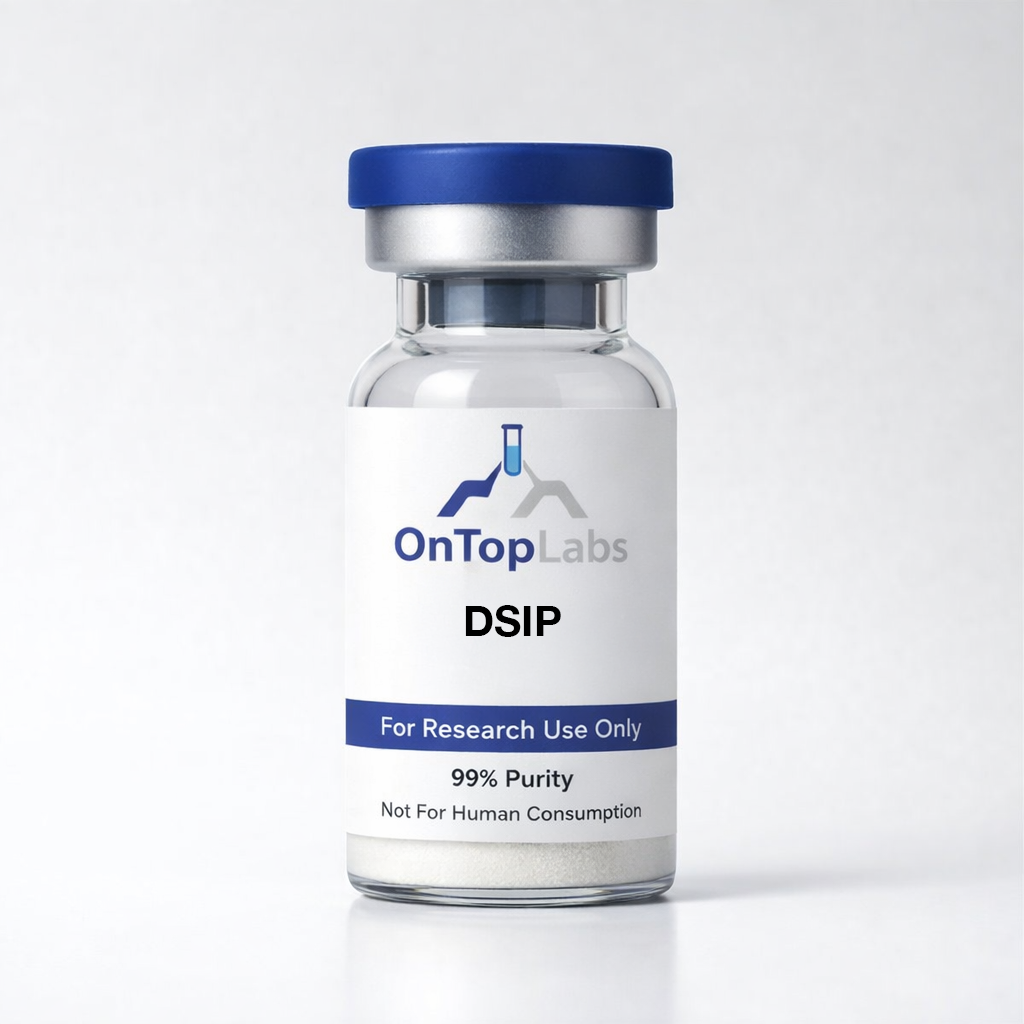
DSIP: 7 Powerful Sleep and Recovery Benefits for Wellness and Relaxation Support
Introduction to DSIP
DSIP, also known as Delta Sleep-Inducing Peptide, is a widely researched peptide associated with sleep support, relaxation, recovery, and wellness optimization. Over the years, DSIP has gained significant attention among researchers, wellness communities, and individuals exploring advanced peptide-based support for sleep quality and stress management.
As modern lifestyles continue contributing to poor sleep patterns and recovery challenges, peptides like DSIP have become increasingly popular in wellness and recovery research. Many individuals interested in restorative sleep and overall wellness continue researching it because of its connection to sleep regulation and relaxation support.
Researchers continue exploring D for its potential role in sleep cycles, stress response, recovery optimization, and overall wellness balance.
What Is DSIP?
DSIP is a synthetic peptide originally discovered in research related to sleep regulation and neurophysiological function. The peptide became known for its possible involvement in promoting restful sleep and supporting balanced recovery processes.
Delta Sleep-Inducing Peptide has been widely discussed in peptide research because of its potential role in:
- Sleep quality support
- Relaxation and recovery
- Stress management research
- Wellness optimization
- Recovery-related balance
Its growing popularity has made it one of the most recognized sleep-support peptides in wellness and peptide-related research.
How DSIP Works
Researchers continue studying how D interacts with pathways related to sleep regulation, relaxation, and recovery processes.
Sleep Cycle Support
One of the primary reasons DSIP attracts attention is its possible role in supporting healthy sleep cycles and restful sleep patterns.
Relaxation and Stress Support
Researchers continue exploring whether DSIP may help support balanced stress responses and relaxation-related wellness.
Recovery Optimization
Quality sleep plays a major role in physical and mental recovery, making it a growing topic in recovery-focused wellness discussions.
Wellness and Balance Interest
Many individuals researching peptides explore D because of interest in wellness balance, relaxation, and recovery support.
Potential Benefits of DSIP
DSIP has become increasingly recognized because of the numerous potential benefits associated with sleep and wellness optimization.
1. Sleep Quality Support
One of the most discussed benefits of D is its possible role in supporting restful and restorative sleep.
2. Relaxation Support
Researchers continue studying how D may contribute to relaxation-focused wellness routines.
3. Recovery and Recovery Quality
Quality sleep is closely linked to physical and mental recovery, making it a popular topic in wellness communities.
4. Stress Management Research
Some studies continue exploring how peptides like D may interact with stress-related pathways and recovery balance.
5. Advanced Wellness Research
DSIP remains one of the most recognized peptides associated with sleep and recovery-related wellness science.
DSIP and Wellness Communities
The wellness and recovery industries have shown increasing interest in it because of its reputation as a sleep-support peptide.
Athletes, wellness enthusiasts, and individuals researching recovery optimization frequently explore D as part of broader wellness and relaxation routines.
Its popularity continues growing alongside increasing global interest in sleep quality, stress management, and peptide-related wellness support.
DSIP and Sleep Research
Sleep research remains one of the most important scientific areas involving D. Researchers continue studying how peptides associated with sleep regulation may contribute to healthier recovery patterns and improved wellness.
As sleep quality becomes an increasingly important health discussion globally, it continues attracting attention within peptide science and wellness research communities.
Possible Side Effects of DSIP
Although DSIP is generally researched in controlled environments, some individuals may experience side effects depending on dosage and sensitivity.
Potential side effects may include:
- Temporary drowsiness
- Fatigue
- Mild headaches
- Dizziness
- Changes in sleep patterns
Individuals interested in peptide-related wellness products should consult qualified healthcare professionals before beginning any peptide-based protocol.
Why DSIP Is So Popular
The increasing demand for advanced sleep support and recovery optimization solutions has contributed significantly to the popularity of it.
Many individuals seek peptide-based wellness support because of growing interest in stress management, sleep quality, recovery optimization, and relaxation-focused wellness routines.
As peptide science continues evolving globally, it remains one of the most searched and discussed sleep-support peptides in wellness communities.
The Future of DSIP Research
Ongoing scientific studies continue exploring the broader applications of DS in sleep science, recovery wellness, relaxation support, and neurophysiological research.
Researchers remain interested in understanding how sleep-related peptides may contribute to future wellness innovations and recovery-focused therapies.
With increasing global interest in sleep quality and wellness optimization, it is expected to remain an important topic within peptide-related research.
Conclusion
DSIP is a widely recognized peptide researched for its potential sleep support, relaxation, recovery, and wellness optimization properties. Its association with sleep regulation and restorative recovery has made it one of the most discussed peptides in modern wellness science.
As interest in peptide therapy, stress management, and advanced wellness support continues growing, it remains at the forefront of sleep-related peptide research and wellness discussions.
Whether researched for sleep quality, relaxation support, recovery optimization, or wellness balance, it continues attracting attention as one of the leading peptides in modern sleep and recovery science.
Reviews
There are no reviews yet.