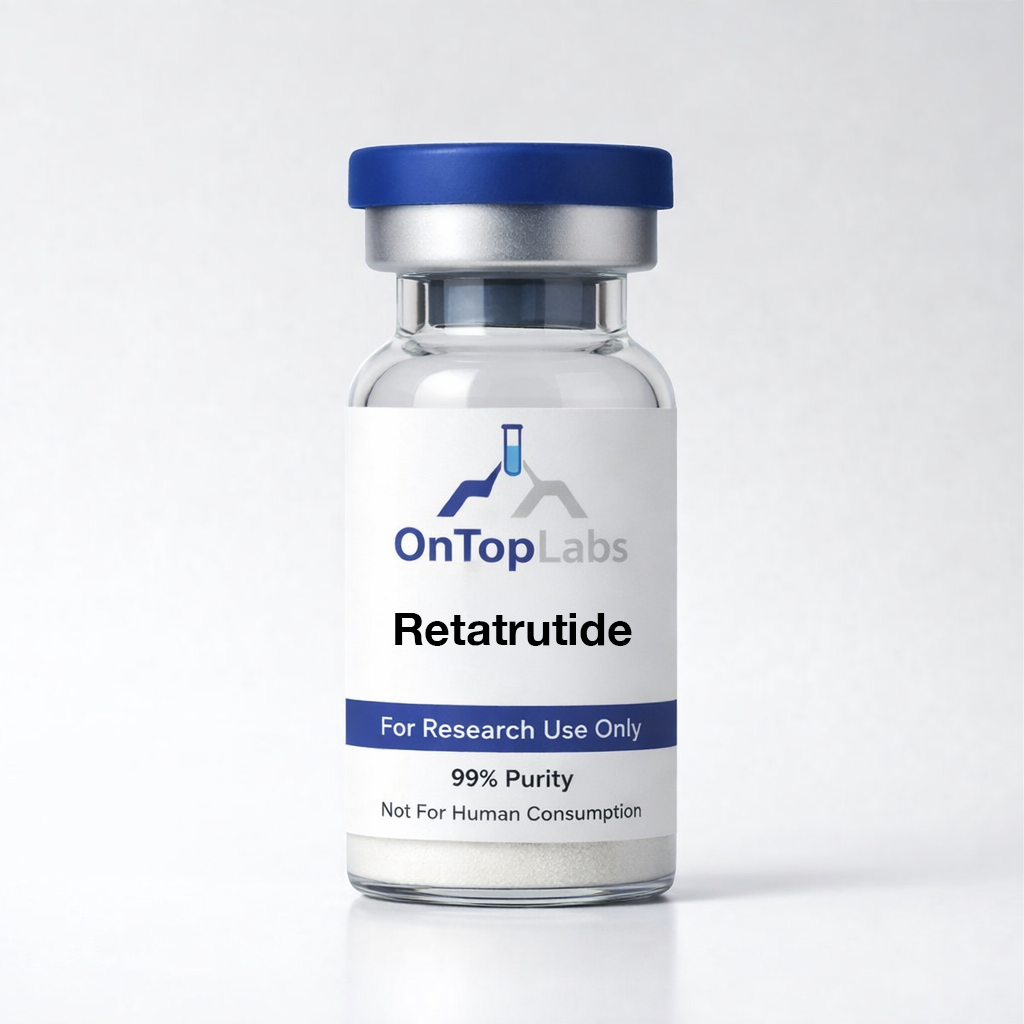
Retatrutide (GLP-3 Reta): Benefits, Research, Weight Loss Potential, and What You Should Know
Introduction to Retatrutide (GLP-3 Reta)
Retatrutide, commonly referred to as Retatrutide – (GLP-3 Reta), is one of the most discussed next-generation peptide therapies currently being researched for weight management, metabolic health, and blood sugar regulation. As interest in advanced GLP receptor agonists continues to grow, Retatrutide has gained attention for its unique triple-hormone receptor activity and its potential role in supporting healthy weight loss and metabolic performance.
Unlike traditional GLP-1 medications that focus on a single receptor pathway, Retatrutide is designed to target three different hormone receptors simultaneously. This advanced mechanism has made it a major topic in obesity and diabetes research. Many individuals searching for innovative metabolic support solutions are now exploring Retatrutide due to its promising early clinical research results.
What Is Retatrutide – (GLP-3 Reta)?
Retatrutide is an investigational peptide developed to activate three important hormone receptors in the body:
- GLP-1 (Glucagon-Like Peptide-1)
- GIP (Glucose-Dependent Insulinotropic Polypeptide)
- Glucagon receptors
Because of this triple-action mechanism, Retatrutide is often referred to as a “triple agonist” or GLP-3 therapy. Researchers believe this combination may offer enhanced support for appetite control, calorie regulation, fat metabolism, and blood sugar balance.
The growing popularity of Retatrutide in the health and wellness industry is largely connected to its potential for improved metabolic outcomes when compared to older single-pathway therapies.
How Retatrutide Works
Retatrutide works by mimicking naturally occurring hormones that help regulate appetite, insulin response, and energy usage. The peptide communicates with receptors involved in hunger signaling and metabolic activity.
Appetite Regulation
One of the key areas of interest surrounding Retatrutide is appetite management. Research suggests that activating GLP-1 receptors may help individuals feel fuller for longer periods, potentially reducing calorie intake.
Blood Sugar Support
Retatrutide may also support healthier glucose regulation by improving insulin response. This has made it an important candidate for future metabolic and diabetes-related treatments.
Fat Metabolism
The glucagon receptor activity included in Retatrutide’s design may contribute to increased energy expenditure and fat metabolism. Researchers are continuing to study how this mechanism may influence body composition and weight reduction.
Potential Benefits of Retatrutide
Although Retatrutide is still being researched and has not yet received full approval for general medical use in many regions, early studies have highlighted several areas of potential benefit.
1. Weight Loss Support
Retatrutide has gained significant attention for its potential role in helping individuals manage body weight. Clinical research has shown promising reductions in body weight among participants involved in studies.
2. Metabolic Health Improvement
Researchers are evaluating whether Retatrutide may help improve overall metabolic markers, including insulin sensitivity and blood sugar control.
3. Appetite Control
Many people interested in GLP therapies seek support with hunger management. Retatrutide’s hormone-targeting mechanism may assist in reducing cravings and improving satiety.
4. Advanced Triple-Receptor Technology
Unlike traditional GLP-1 therapies, Retatrutide’s triple-action approach makes it one of the most advanced peptide compounds currently under investigation.
Retatrutide vs Traditional GLP-1 Therapies
Retatrutide differs from standard GLP-1 medications because it activates multiple metabolic pathways simultaneously. While traditional therapies primarily focus on GLP-1 receptors, Retatrutide includes additional GIP and glucagon receptor activity.
This broader mechanism may potentially provide:
- Enhanced appetite regulation
- Increased metabolic activity
- Greater weight management support
- Improved glucose control
- More comprehensive metabolic benefits
As more clinical research becomes available, experts continue to compare Retatrutide with other modern metabolic therapies.
Current Research and Clinical Interest
Retatrutide has become a major focus within the scientific and medical research communities. Ongoing studies are evaluating its long-term safety, effectiveness, and overall metabolic impact.
Early clinical trial data has generated strong interest because of the significant weight reduction observed in research participants. However, additional studies are still necessary to fully understand its long-term effects and ideal therapeutic applications.
Individuals interested in Retatrutide should understand that it remains an investigational compound in many markets and should only be used under professional medical guidance where permitted.
Possible Side Effects of Retatrutide
As with many peptide-based therapies, Retatrutide may cause side effects in some individuals. Reported effects in clinical research have included:
- Nausea
- Digestive discomfort
- Reduced appetite
- Vomiting
- Diarrhea
- Fatigue
The intensity of side effects may vary depending on dosage, individual response, and treatment duration. Consulting a qualified healthcare professional is important before considering any peptide or metabolic therapy.
Who Is Interested in Retatrutide?
Interest in Retatrutide – (GLP-3 Reta) continues to grow among:
- Individuals researching weight management solutions
- Wellness and longevity communities
- Metabolic health researchers
- Healthcare professionals following obesity treatment innovations
- Fitness and performance optimization audiences
Because of its unique mechanism, Retatrutide is widely viewed as one of the most promising investigational metabolic peptides currently under development.
The Future of GLP-3 Retatrutide
The future of Retatrutide appears highly promising as scientific research continues to expand. With increasing global demand for effective metabolic health solutions, many experts believe triple-agonist therapies may represent the next generation of obesity and wellness treatments.
As ongoing studies continue to evaluate its long-term safety and effectiveness, Retatrutide may potentially become an important advancement in metabolic medicine.
Conclusion
Retatrutide (GLP-3 Reta) is rapidly emerging as one of the most talked-about investigational peptides in the metabolic health and weight management space. Its triple-receptor activity involving GLP-1, GIP, and glucagon pathways makes it unique among modern therapies currently under research.
With growing interest in advanced weight loss support, appetite regulation, and metabolic optimization, Retatrutide continues to attract attention from researchers, healthcare professionals, and wellness communities worldwide.
As clinical studies progress, Retatrutide may play a major role in shaping the future of metabolic and obesity-related treatments. Individuals interested in learning more about GLP-3 Reta should stay informed through trusted medical sources and consult qualified professionals regarding any peptide-based therapy. Retatrutide – (GLP-3 Reta) Retatrutide – (GLP-3 Reta) Retatrutide – (GLP-3 Reta) Retatrutide – (GLP-3 Reta)

Reviews
There are no reviews yet.